🔥 Limited Time: Save big on rugged Kingbull all-terrain e-bikes!

6. Expert Advice: Standover Height, Reach & Weight
Beyond wheel size, three technical factors separate a truly well-fitted bike from a merely size-appropriate one: standover height, reach, and bike weight. Getting these right transforms the riding experience.
Standover Height
The distance from ground to top tube at the frame's midpoint. Your child needs 1–2" of clearance (more for MTB). This is a hard safety requirement, not a preference.
Reach
How far the child must lean forward to reach the handlebars. Too much reach = strained back and poor control. A slight forward lean is ideal; fully upright is too relaxed for control.
Bike Weight
Should be no more than 30–40% of the child's body weight. At 20 lbs / 9 kg for a small child, a heavy bike causes exhaustion, discourages riding, and makes learning harder.
Saddle Height
For beginners: both feet flat on the ground. For experienced riders: slight knee bend at the bottom of the pedal stroke, same as adult fitting. Never set so high that the child cannot stop safely.
Standover Height in Detail
When your child straddles the bike (both feet flat on the ground), measure the gap between the top tube and their crotch. For road and hybrid bikes, 1–2 inches (2.5–5 cm) is ideal. For mountain bikes, aim for 2–4 inches (5–10 cm) to allow safe emergency dismounts on technical terrain.
Standover clearance is non-negotiable for children. Unlike adult riders who can accommodate a tight fit with skill, a child who cannot clear the top tube in a sudden stop will fall awkwardly and may be injured. If a bike fails the standover test, it is the wrong size — regardless of what the age chart says.
Reach and Handlebar Adjustment
Reach is the horizontal distance from the saddle to the handlebars. Children who are stretched too far forward cannot control the bike effectively, and may develop back discomfort. Signs of too much reach include: constantly leaning far forward, shoulders hunching, difficulty turning the handlebars, or complaining that cycling is tiring in the upper body.
Most kids bikes offer handlebar height adjustment; some offer adjustable stem reach. If the handlebars cannot be brought close enough, consider a different model. This is more common with taller children on the smaller end of a wheel size range.
Bike Weight and Why It Matters So Much for Children
A 40 lb (18 kg) child riding a 20 lb (9 kg) bike is carrying half their own body weight. The cognitive and physical demand of managing a proportionally heavy bike is enormous — imagine riding a bike that weighed as much as you do. Research from cycling education programs consistently finds that lighter bikes produce faster skill development, higher confidence, and more riding time.
The rule of thumb: aim for a bike that weighs no more than 30% of your child's body weight. Premium lightweight options (Woom, Prevelo, Islabikes, Cleary) typically weigh 13–17 lbs in 20-inch sizing. Budget bikes from big-box retailers often exceed 24 lbs for the same wheel size. The price premium of a quality lightweight bike is almost always worth it for frequent riders.
Cranks and Pedal Strike
Crank arm length is rarely discussed but matters for comfort and efficiency. Kids bikes from reputable brands use age-appropriate crank lengths (typically 100–114 mm for 16–20" bikes). Generic or cheap bikes sometimes use adult-length cranks (170 mm) on kids frames, causing inefficient pedaling and knee discomfort. Proper crank length lets a child spin fluidly; overlong cranks force a choppy, lurching pedal stroke.
7. The 7 Most Common Parent Mistakes When Buying a Kids Bike
- Buying too big "to grow into it." The most common and most harmful mistake. An oversized bike is harder to control, more likely to cause falls, and more likely to put a child off cycling permanently. Buy for now.
- Using age as the only sizing criterion. Age is a rough guide, not a rule. Always measure height and inseam and use those numbers to select wheel size. A child at the 90th percentile for height may need a bike designed for children two years older.
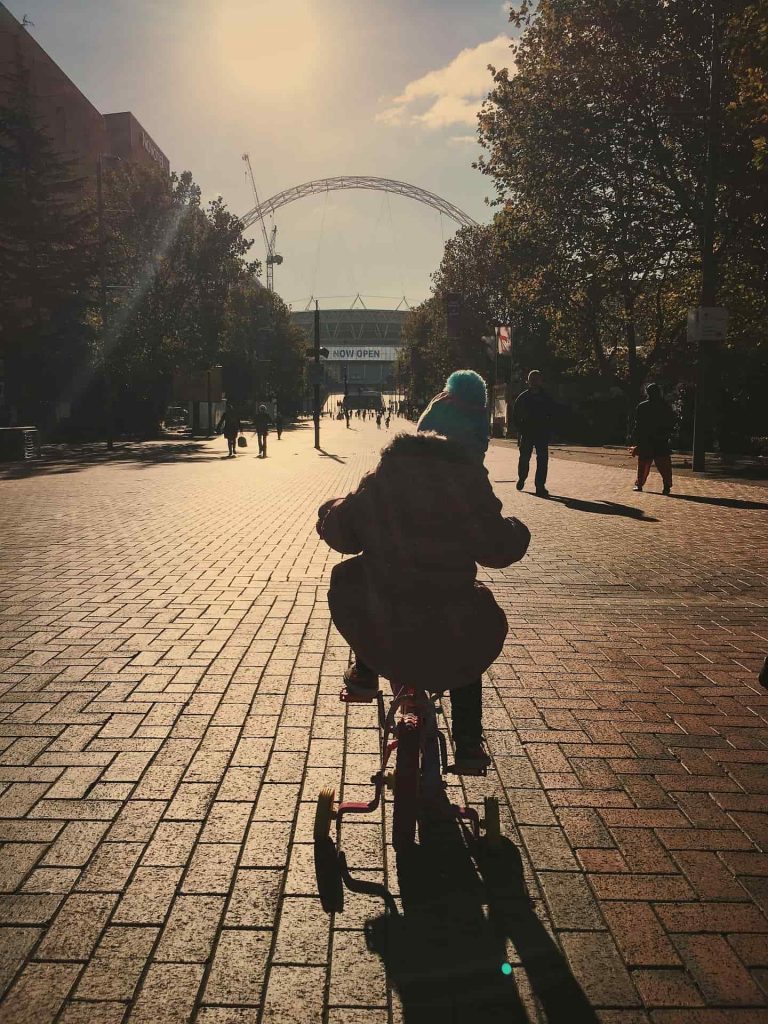
- Keeping training wheels on too long. Training wheels teach children to balance by leaning on the wheel, which is the opposite of what cycling requires. If a child can ride with training wheels, they are ready to learn without them. The transition is typically faster than parents expect — often 20–30 minutes with the pedals removed (the "strider method").
- Ignoring bike weight. Heavy bikes are one of the most consistently overlooked factors. A 25-lb kids bike at a discount price is rarely a bargain when the result is a child who refuses to ride it. Weight matters enormously.
- Setting the saddle too high for beginners. The instinct to set the saddle for pedaling efficiency (slight knee bend) is correct for experienced riders, but beginners need both feet flat on the ground. As confidence grows, raise the saddle gradually.
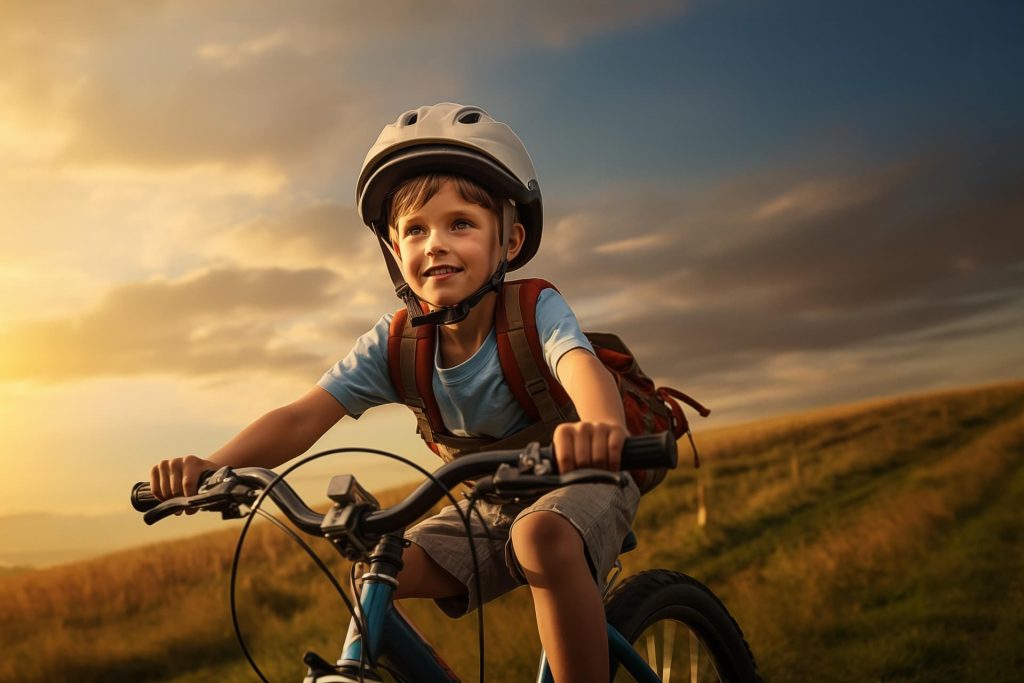
- Skipping the helmet fit check. A helmet that doesn't fit properly won't protect a child's head. The helmet should sit level on the head (not tilted back), the front edge should be 1–2 finger widths above the eyebrows, the chinstrap should allow only one finger between strap and chin, and the side straps should form a V just below the ear. Fit checks take 60 seconds and could save a life.
- Buying online without checking a geometry chart. Two 20-inch bikes from different brands can have completely different standover heights, reach measurements, and saddle-height ranges. Always check the manufacturer's geometry table — not just the wheel size — before buying, particularly for older children where fit becomes more complex.
8. Frequently Asked Questions
These are the questions parents ask most often. The FAQ schema markup at the top of this page ensures Google may display these answers directly in search results.
Ready to Find the Perfect Bike?
You now have everything you need to make a confident, well-informed purchase. Use the size calculator above for a quick recommendation, or dive into our brand-specific guides below for model comparisons and expert picks.